Colours
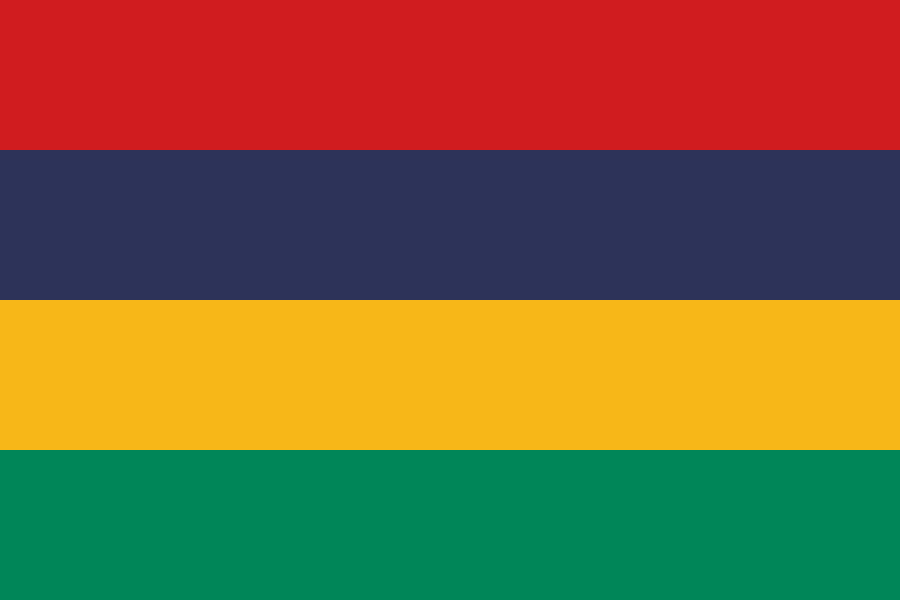
Read from the flag itself, down to the exact shade.
- #008658
- #2d3359
- #d01c1f
- #f7b718
How it is put together
Measured off the picture, the same way the colours were, not from anybody's description of it.
- 4 horizontal bands
The fly edge changes colour going down, the foot does not, and every change is a straight line right across.
What we know about it
Known as The Four Bands, it was adopted upon independence on 12 March 1968 and recorded at the College of Arms in London that 9 January. Gurudutt Moher, a retired school teacher, designed it; he died on 7 October 2017 at the age of 93, and in March 2018 his contribution was recognised posthumously with the title Member of the Star and Key of the Indian Ocean. Red is the struggle for freedom and independence, blue the Indian Ocean in which Mauritius is situated, green the agriculture of the island. The colours also represent the main political parties of the time, after the divisive riots of 1965 and 1968.
Drafted from Flag of Mauritius on Wikipedia, as it read on 2026-08-26, and checked back against it: every date, name and number above appears in the sentences it was written from. Nobody here wrote it by hand.
Its day
The almanac keeps a page per day of the year that something is dated to. This flag is on one of them, with the sentence that says so.
Nearest in the world
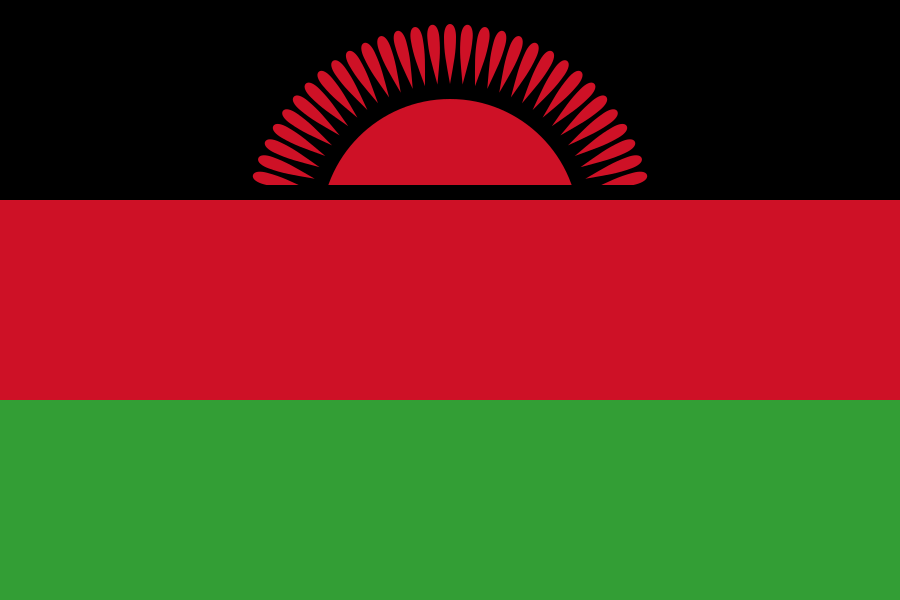
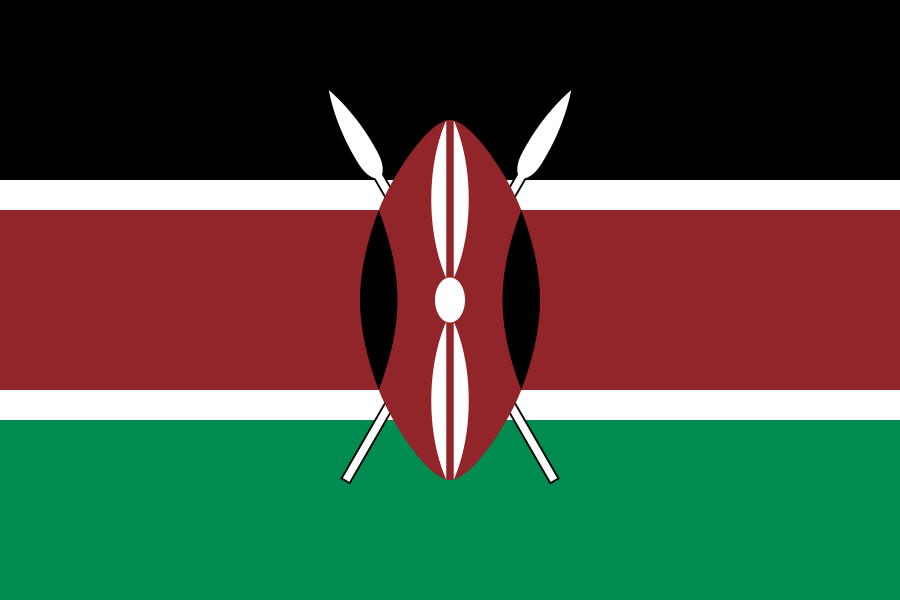
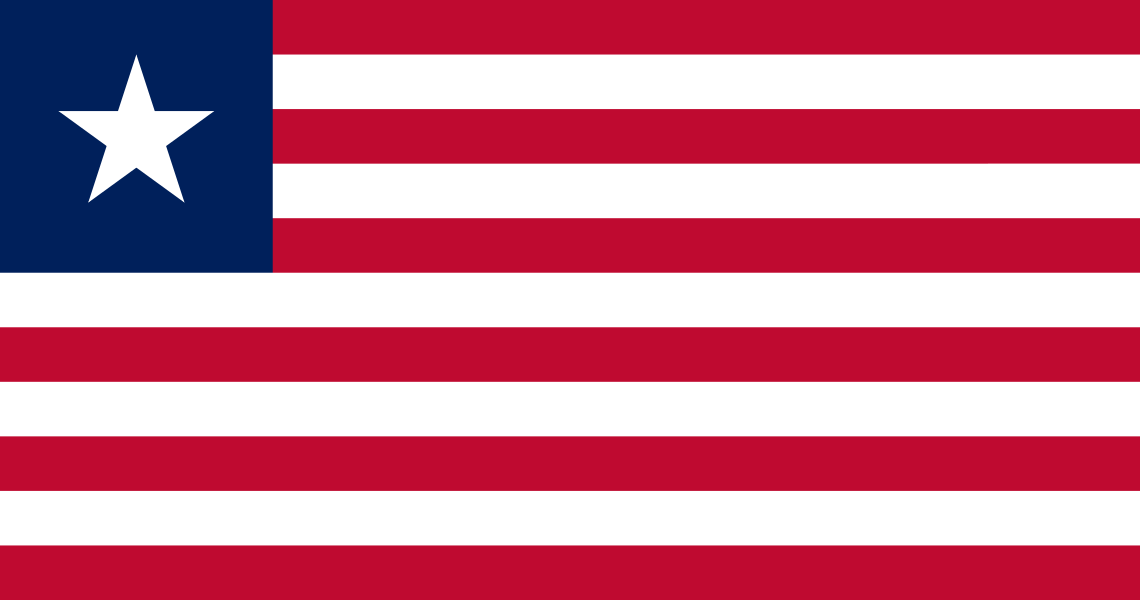
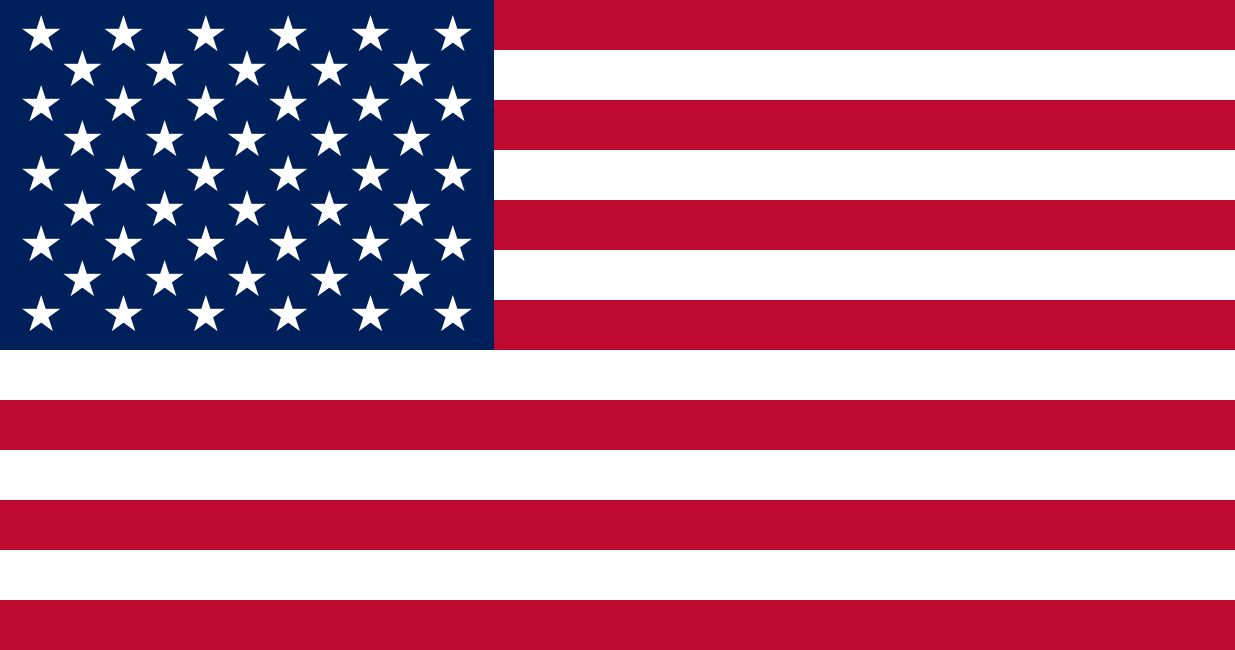
Every flag is compared with every other one, off the pictures themselves. Two copies of one picture score 0; these are the closest to this one. How that is measured.
Quiz yourself
Ten questions, played on the page, no sign-up and nothing kept. Mauritius is one of the flags in each of these.
The picture
- Licence
- Public domain
- Drawn at
- 900 × 600
Credit Zscout370
From Flag of Mauritius.svg on Wikimedia Commons.

Take the picture, as a drawing or as an image, with the licence and the credit above attached to it.