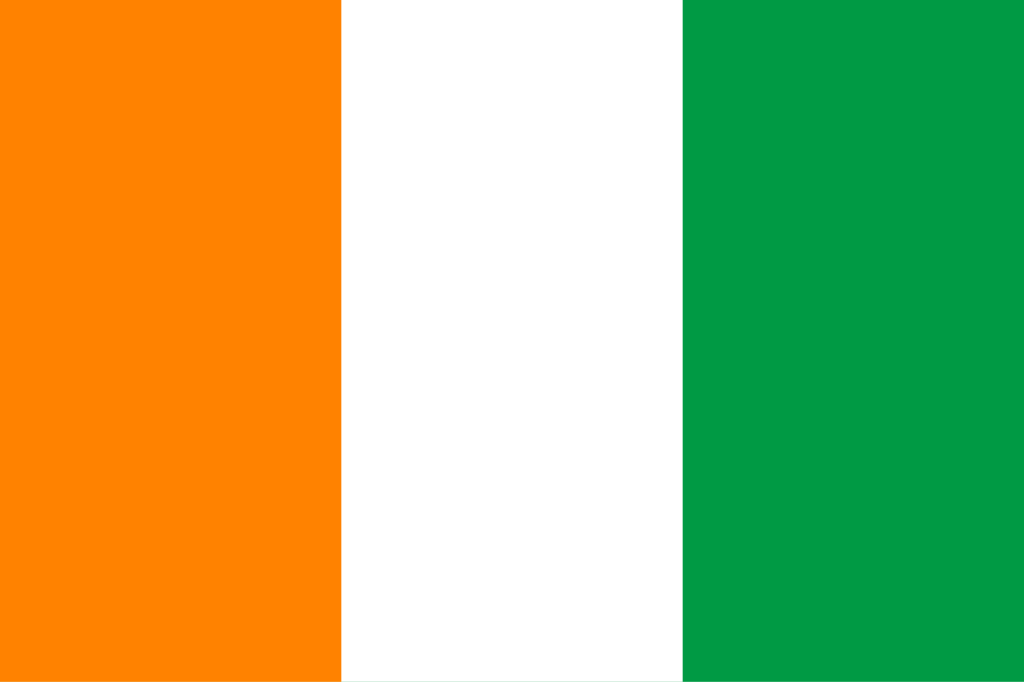
Colours
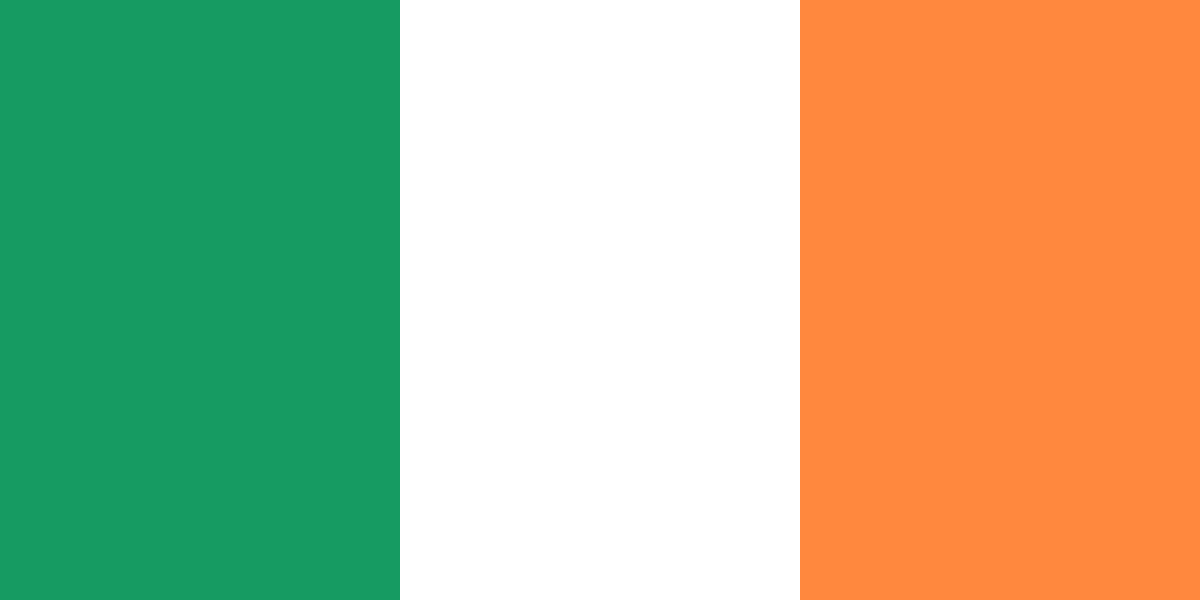
Read from the flag itself, down to the exact shade.
- #009a44
- #ff8200
- #ffffff
Other flags with white, green or orange or all of white, green and orange at once.
How it is put together
Measured off the picture, the same way the colours were, not from anybody's description of it.
- 3 vertical bands
The foot changes colour going along, the fly edge does not, and every change is a straight line top to bottom.
What we know about it
It was adopted on 3 December 1959 by law no. 59-240 of the Ivorian Legislative Assembly, and Article 48 of the 2016 constitution defines it. What the colours mean has been variously interpreted: the president's office uses the reading Jean Delafosse gave after the flag was adopted (orange for the land, the struggle and blood, white for peace and order, green for hope and a better future) while commissioner Mamadou Coulibaly gave a different explanation to the 1960 constitutional assembly.
Drafted from Flag of Ivory Coast on Wikipedia, as it read on 2026-08-26, and checked back against it: every date, name and number above appears in the sentences it was written from. Nobody here wrote it by hand.
Its day
The almanac keeps a page per day of the year that something is dated to. This flag is on one of them, with the sentence that says so.
Nearest in the world
Every flag is compared with every other one, off the pictures themselves. Two copies of one picture score 0; these are the closest to this one. How that is measured.
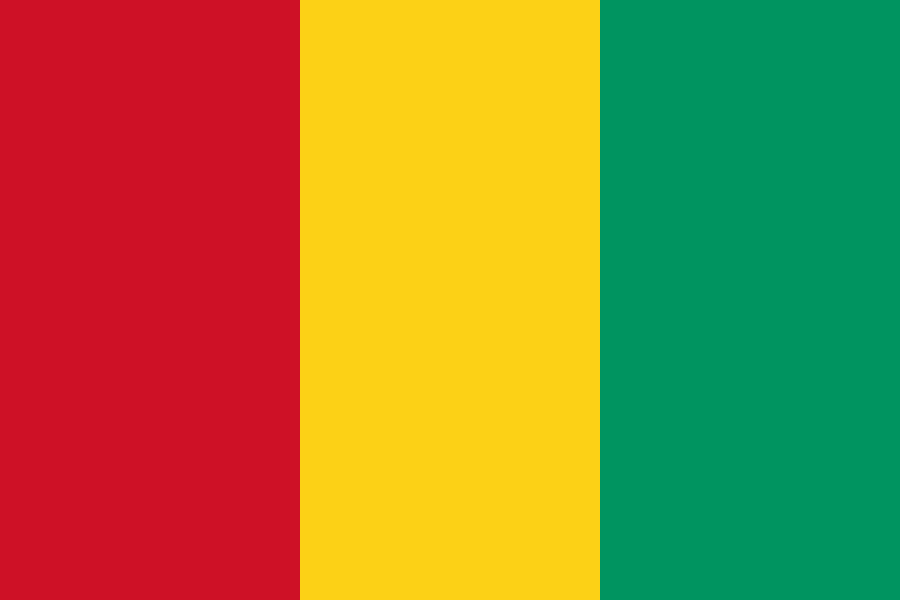
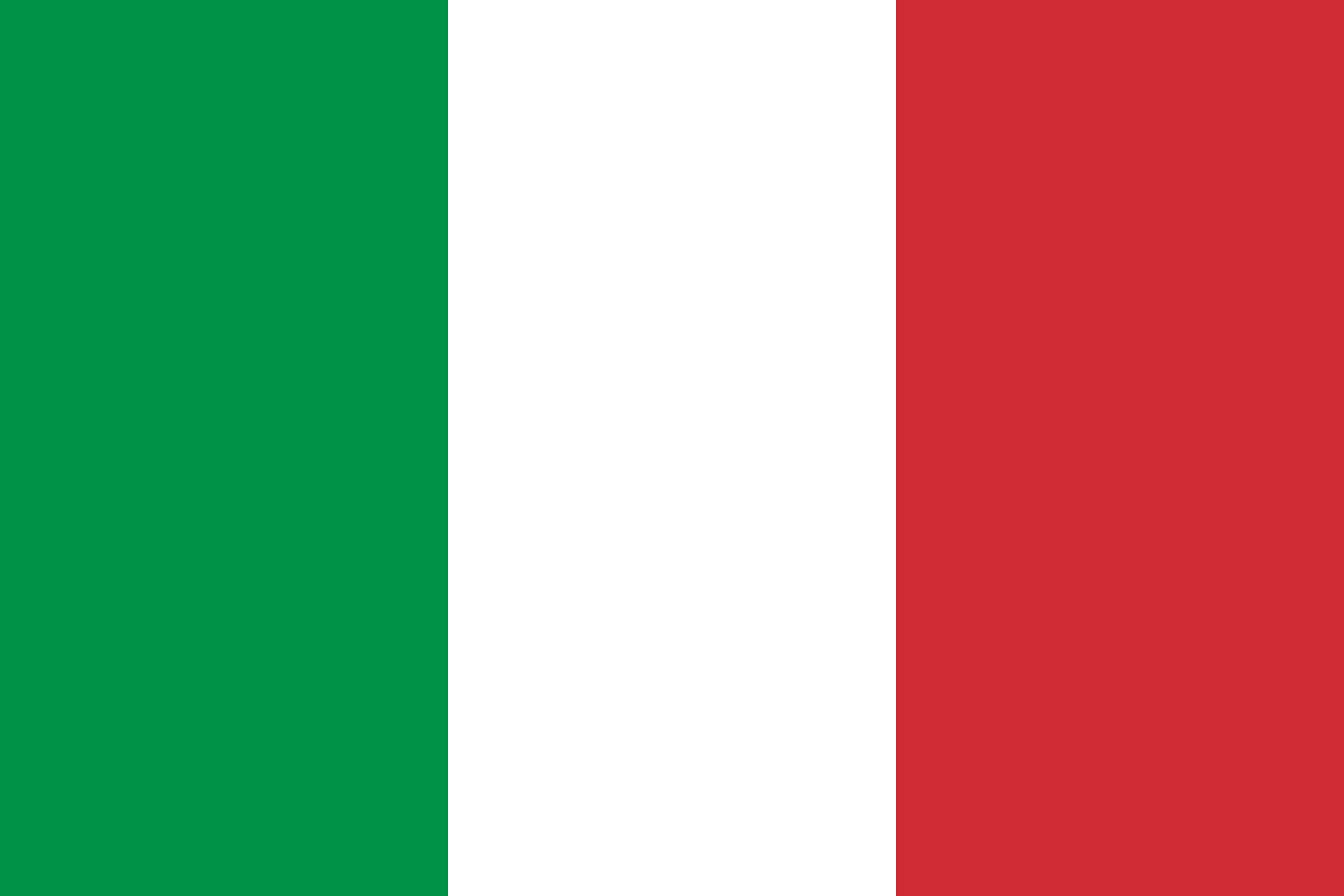
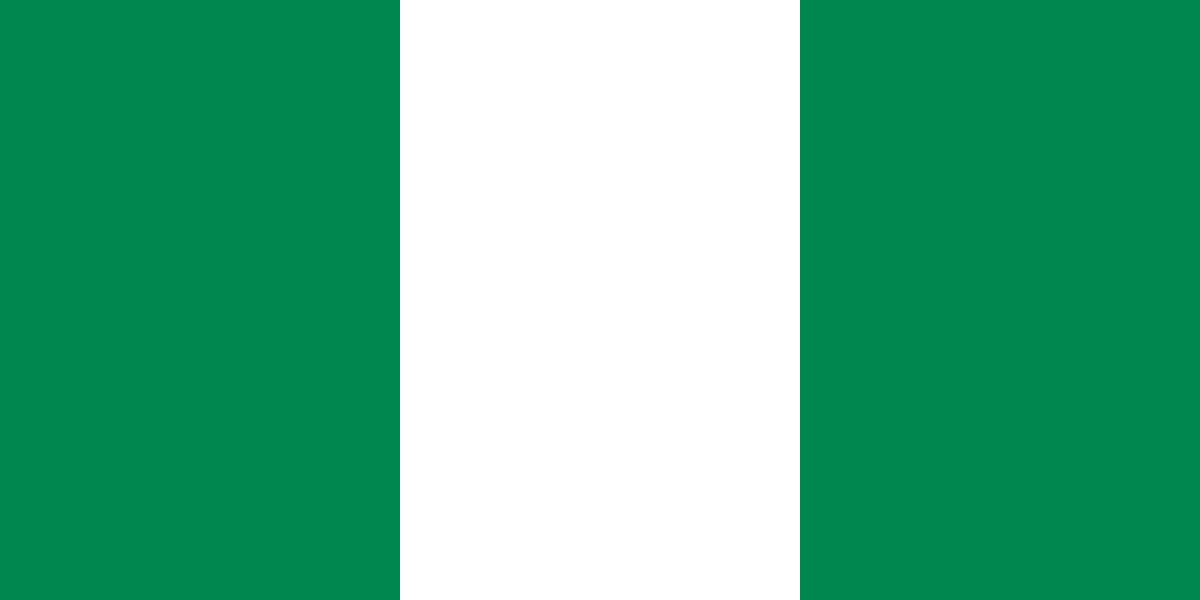
Mirror Tricolors
Flags people genuinely mix up. Worth a second look.
Quiz yourself
Ten questions, played on the page, no sign-up and nothing kept. Ivory Coast is one of the flags in each of these.
The picture
- Licence
- Public domain
- Drawn at
- 512 × 341
Credit See File history below for details.
From Flag of Côte d'Ivoire.svg on Wikimedia Commons.

Take the picture, as a drawing or as an image, with the licence and the credit above attached to it.